
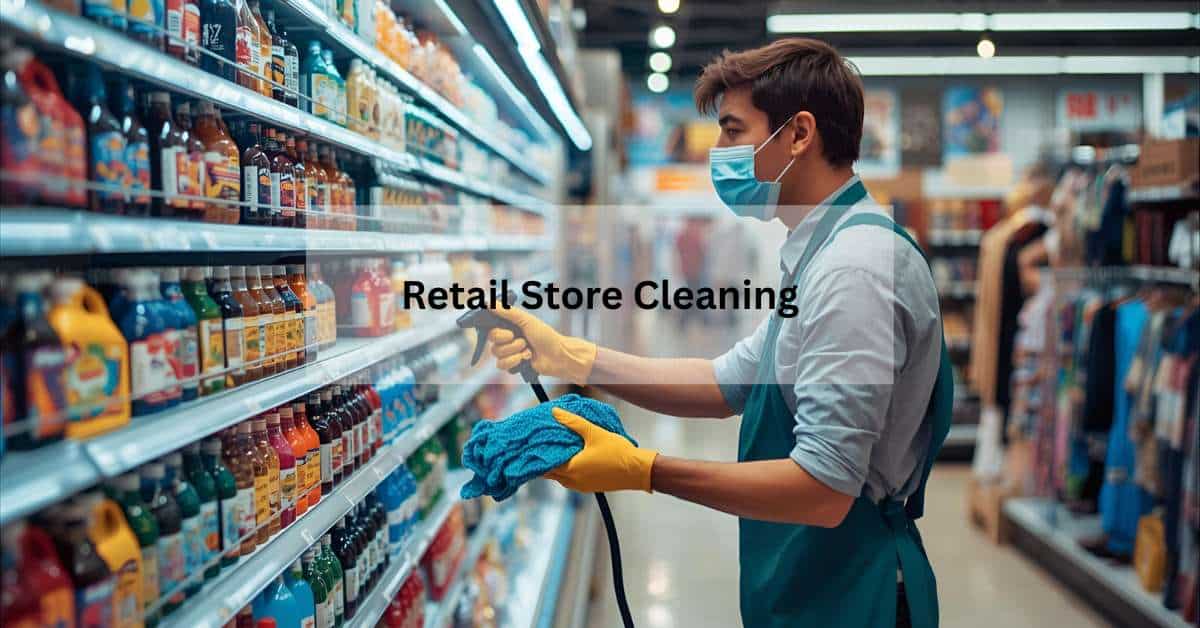
Retail Store Cleaning might look like a simple thing, but honestly it shapes customer reaction faster than almost anything else. People walk into a store and, without thinking too hard, judge the place in a couple seconds. In a city like Philadelphia, where streets are busy and sometimes dusty or wet, stores pick up dirt pretty quickly. And customers notice that right away—even before they focus on products. A clean, calm-looking store makes people feel safe and kinda relaxed, like the environment is under control. But if the space has clutter, or a dull smell, they don’t stay long. So for retail owners around Philly, keeping the store neat isn’t just “good practice,” it’s a quiet business booster.
Cleanliness and Customer Psychology
Cleanliness really plays with the mind more than we realize. Shoppers feel more comfortable when floors look shiny and shelves aren’t covered with dust or random marks. The place feels trustworthy, like the store cares about details. But little things—like clutter in a corner or an odd smell near the entrance—make people uncomfortable pretty fast. In competitive cities such as Philadelphia, customers don’t waste time dealing with strange vibes; they’ll just walk into another shop. A clean store layout lets people move freely, and somehow that freedom makes them explore more products. When the environment feels pleasant, the brain kinda softens, and people spend more time looking around.
How Store Cleanliness Impacts Purchasing Decisions
Most shoppers don’t say out loud, “This store is clean, so I’ll buy something,” but mentally that’s exactly what happens. Cleanliness boosts the product’s perceived quality. If the store looks cared for, customers feel the items are worth buying. Small messes—sticky floors, dusty racks, fingerprints on mirrors—can make people doubt the whole experience. And in Philadelphia’s crowded retail scene, they’ll easily switch to another store. Clean spaces naturally create more impulse buying because shoppers feel good walking from section to section. And when they enjoy the visit, they return, building long-lasting customer habits.
High-Traffic Areas That Influence Customer Behavior
Some areas are judged harder than others, and customers notice them instantly. Entryways, checkout counters, aisles and fitting rooms—these are the hotspots. Because Philly has constant foot traffic, dirt and moisture enter nonstop, making these zones messy faster than the rest of the store. A clean entrance sets a friendly tone right away. A tidy checkout counter makes shoppers feel secure in the final moments of their purchase. And fitting rooms matter a lot; clothes won’t be tried if the room looks unclean or the mirror is smudged. Paying extra attention to these pressure points improves how long customers stay and how comfortable they feel.
Health, Safety, and Compliance Expectations
Cleanliness isn’t just about looking good—it protects people. Dust, spills, and germs build up quickly if nobody checks them. In Pennsylvania, shoppers expect a store to feel hygienic, especially in high-touch spots like door handles, product displays, and countertops. Clean floors reduce slip risks, and organized aisles prevent accidents. When customers see a place that’s maintained well, their trust grows. Regular sanitizing also helps stores stay aligned with safety expectations, which strengthens their reputation. A clean environment keeps both staff and shoppers safer, and that trustworthy feeling keeps customers coming back.
Daily, Weekly & Monthly Cleaning Strategies
A steady cleaning routine helps the store stay fresh without making things complicated. Daily tasks usually look simple—sweep, mop, wipe surfaces, empty trash, sanitize high-touch points. Weekly tasks dig a little deeper: cleaning windows, dusting shelves, organizing stock areas, refreshing fitting rooms. Monthly or seasonal deep-cleaning becomes pretty important in Philadelphia because weather changes bring snow slush, salt, pollen and humidity. Timing matters too. Doing certain tasks before or after peak hours avoids upsetting customers. A simple schedule keeps the store visually clean, reduces long-term maintenance issues, and makes the whole environment more pleasant to shop in.
Benefits of Professional Retail Store Cleaning Services
Professional cleaners often bring consistency that store staff can’t manage while handling customers. They use stronger tools, better cleaning products, and trained methods that make everything look sharper. This helps create a smoother shopping experience that customers appreciate. In a busy area like Philadelphia, where footprints and dirt add up fast, professionals help keep the place balanced throughout the day. When staff aren’t busy cleaning, they focus more on serving people, which improves customer experience. Hiring professionals becomes more like an investment—cleaner store, happier customers, stronger brand image.
Read More: Why Daycare Cleanliness Is Important
Conclusion
A clean store changes how people feel the moment they step inside. They relax, explore more, trust the atmosphere, and end up buying more too. In crowded cities like Philadelphia, that clean and comfortable environment helps stores stand out easily. Cleanliness isn’t only about looks—it’s about building a shopping experience that feels safe and enjoyable. Customers return to places that make them feel good. That’s why strong Retail Store Cleaning habits aren’t just helpful—they’re essential for long-term success.