
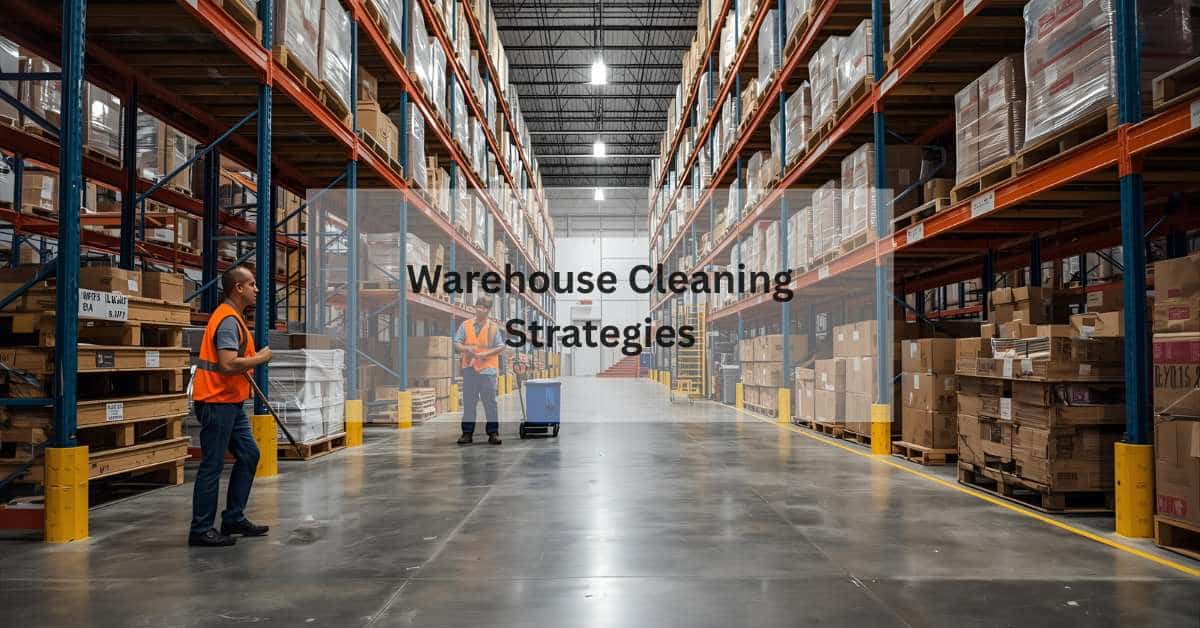
Warehouses get messy fast—sometimes faster than anyone expects. Dust, scraps, and random clutter have a way of showing up even when people think they’re keeping things tidy. And in busy industrial areas like Philadelphia, all that traffic just makes it happen quicker. That’s where good Warehouse Cleaning Strategies honestly become non-negotiable. Clean floors help machines move smoother, workers walk safer, and the whole operation feels less stressful. And it’s funny how staying consistent saves you from big headaches later on—like equipment acting up or aisles turning into obstacle courses. Weather shifts don’t help either; some days the warehouse pulls in moisture, other seasons it’s dust everywhere. When cleaning becomes part of the workflow instead of an afterthought, efficiency automatically gets a nice boost.
Daily Cleaning Tasks That Keep Workflow Smooth
Daily cleaning isn’t fancy, but it keeps the day running without sudden “why is this a mess?” moments. A quick sweep in the morning, picking up cardboard scraps, wiping a spill before it becomes a full-on hazard—basic stuff, but it keeps everyone moving. Shared tools, tables, scanners… they get dirty from constant touch, so wiping them down isn’t just hygiene, it’s comfort for the team. And breakrooms? If those get messy, morale goes downhill real quick. In urban warehouses, dust comes back almost instantly, so these daily tasks matter even more. Doing the small things each day stops the big mess from ever forming, and that saves time for actual work, not cleanup marathons.
Deep Cleaning for High-Traffic and Hard-to-Reach Areas
Deep cleaning is a different story. It reaches the places you don’t notice daily—high shelves, beams, vents that hold layers of dust. If that debris falls, it ends up on products or inside machines, which nobody wants. Machinery like conveyors or forklifts build up grime slowly, and it eventually causes slowdowns or weird noises. Loading docks are always the dirtiest since trucks bring in half the outside world with them. Seasonal pollen or humidity only makes it worse. With scheduled deep cleaning, everything stays in better shape. When you skip it, you feel the consequences pretty fast. When you keep up with it, the warehouse just feels lighter, cleaner, and easier to work in.
Safety-Driven Cleaning Practices
A lot of warehouse accidents happen because of simple things—something left on the floor, a wet patch that didn’t get wiped, an aisle someone blocked without noticing. Safety-driven cleaning fixes all that before it becomes a real issue. Keeping walkways open, cleaning spills immediately, marking risky zones… it all helps workers avoid slips and collisions. Floors near docks and break areas need extra care because they stay wet or greasy more often. And using safe cleaning chemicals matters so no one deals with harsh fumes. Warehouses with heavy foot and vehicle traffic need these safety habits more frequently. They’re not just for compliance—they keep operations steady and workers confident.
Industrial Floor Care & Maintenance
Warehouse floors take more abuse than any part of the building. Forklifts turning sharp corners, pallet jacks rolling nonstop, carts dragging weight… everything wears the floor down. Regular scrubbing removes dirt that causes slipping, and degreasing helps keep traction strong. Sealing or polishing concrete helps stop dust from spreading and makes cleaning easier. Floor markings are underrated—they help guide traffic and reduce confusion. When the weather gets messy, floors get messy too. Rain, salt, mud… it all ends up right by the dock doors. With consistent floor care, workers move quicker, equipment handles better, and accidents drop noticeably.
Waste Management & Clutter Control
Good waste handling can honestly transform the way a warehouse feels. When trash bins and recycling stations sit where workers actually work, clutter disappears instead of building up in random corners. Packaging waste—cardboard, wrap, labels—piles up ridiculously fast, so quick disposal keeps the place sane. Hazardous waste always needs proper handling or the warehouse starts smelling weird or becoming unsafe. Shelves that aren’t overflowing help workers find items faster, and clean aisles mean no dodging random obstacles. Warehouses with high-volume turnover get messy twice as fast, so clutter control becomes a part of efficiency, not just cleanliness.
Creating a Cleaning Schedule That Matches Warehouse Demand
Not every area needs the same cleaning frequency. Busy zones like loading docks and packing stations need daily attention, sometimes more. Storage racks or quieter corners can follow weekly or monthly routines. Seasons change things too—wet weather means more floor cleaning, dry weather means more dusting. A clear checklist helps make sure nothing gets missed in the rush of the day. Warehouses in industrial regions often need flexible schedules that adjust with incoming loads or busy weeks. When the cleaning schedule matches the reality of work, everything—from equipment life to worker comfort—improves naturally.
Read More: Retail Store Cleaning
Conclusion
A warehouse stays productive only when it stays clean. Strong Warehouse Cleaning Strategies help you avoid downtime, reduce accidents, and keep the entire operation flowing smoothly. Daily cleaning handles the small annoyances, deep cleaning covers the bigger hidden spots, and scheduled routines keep everything balanced. Floor care, clutter control, and safety habits work together to create a place where people can do their jobs without fighting the environment. And in industrial regions with nonstop activity, staying consistent isn’t optional—it’s what keeps the warehouse efficient in the long run. A clean warehouse really is an investment in both safety and smooth operations.